If You’re Just Starting, Most Advice Is Wrong
Most new business owners are told to go straight for business credit cards.
That’s usually where things go wrong.
If your business doesn’t have a credit profile yet, applying for cards too early leads to:
- denials
- low limits
- unnecessary inquiries
The real move is to build your foundation first.
Step 1 — Start with Net 30 Accounts (Foundation First)
Before applying for business credit cards, you need to establish your business credit profile.
From my experience, three of the easiest Net 30 accounts to start with are:
- Grainger,
I was approved for a $1,000 Net 30 account with Grainger without a personal guarantee and without established business credit. - Quill
- Nav
These vendors are:
- relatively easy to get approved for
- designed for early-stage businesses
- capable of reporting to business credit bureaus
Using these correctly allowed me to generate a Dun & Bradstreet PAYDEX score within about 2 months.
Why Net 30 Accounts Matter
Net 30 accounts allow you to:
- establish tradelines
- build payment history
- create a business credit profile
Without this, most business credit card approvals are limited or dependent on your personal credit.
Step 2 — Build Your Business Credit Profile
Once your Net 30 accounts are active:
- make small purchases
- pay them early (not just on time)
- keep activity consistent
This is how your PAYDEX score develops.
👉 Early payments = stronger profile
Step 3 — Move to Store Credit (Next Tier)
After establishing your profile, you can move into higher-level accounts.
From my experience, I moved into:
- Home Depot (Citi-backed account) → $8,000 limit
- Floor & Decor → $10,000 limit
These are:
- easier to access once your profile is established
- useful for business-related purchases
- stepping stones to larger approvals
Step 4 — Transition to Business Credit Cards
Once you’ve built:
- tradelines
- payment history
- a PAYDEX score
Then you’re in a position to apply for:
Best Business Credit Cards to Consider
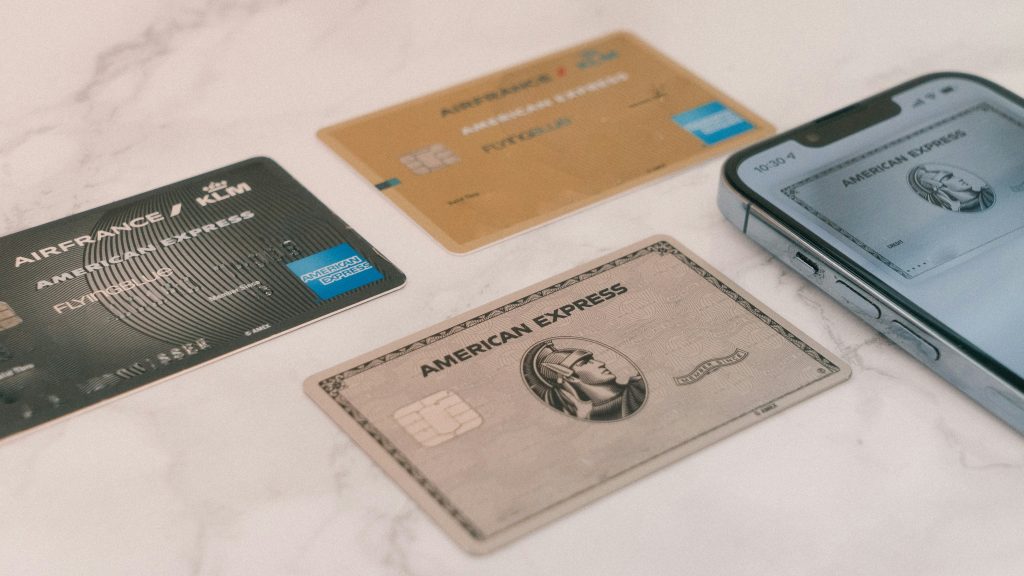
- American Express Business Cards
- Capital One Business Cards
- Chase Ink Business Cards
At this stage:
- approvals are stronger
- limits are higher
- reliance on personal credit is reduced
What Most People Do Wrong
They skip the foundation.
They go straight to:
- credit cards
- funding
- high-limit expectations
Without:
- tradelines
- reporting history
- structure
That leads to weak approvals.
How to Think About Business Credit
This is not about getting one card.
It’s about building a system:
- Vendor accounts (Net 30)
- Store credit (mid-tier)
- Bank-issued credit cards
- Funding and larger approvals
Each step builds on the last.
My Experience (What Actually Worked)
Starting with:
- Grainger
- Quill
- Nav
I was able to establish my business credit profile quickly and generate a PAYDEX score in about two months.
From there:
- I moved into Home Depot (Citi) with an $8,000 limit
- then Floor & Decor with $10,000
That progression made it easier to move into higher-level accounts.
How This Connects to Your Business Setup
At The S. Fields Group, I emphasize that business credit is not separate from your structure.
Your results are influenced by:
- your business banking setup
- your website and credibility
- how your business is positioned
Everything works together.
👉 A strong foundation leads to stronger approvals.
Final Thoughts
If you’re just starting, the best business credit cards are not your first move.
Your first move is building the profile that makes approvals easier.
Once that foundation is in place, the right cards become accessible—and far more useful.
Call to Action
If you want to build your business credit the right way and position your business for funding and growth:
👉 Watch my full breakdown here: Youtube
👉 Learn more at The S. Fields Group
Most people chase credit.
The real move is building the profile that credit follows.